You’ve finally got a handle on retinol — the vitamin A derivative that shows up in roughly half the serums on the market, which your skin converts into its active form to stimulate cell turnover and collagen production. Then you start seeing “retinaldehyde” on INCI lists (INCI stands for International Nomenclature of Cosmetic Ingredients — the standardized ingredient language used globally), and you’re back to square one. Is it just a fancier retinol? A marketing upgrade? Or does the chemistry actually change the calculus? This article breaks down exactly how the two forms differ at the molecular level, what that means for formulation quality and packaging specs, and — most importantly — how to decide which belongs in your routine right now. No TikTok takes, no brand copy. Just the ingredient deck.
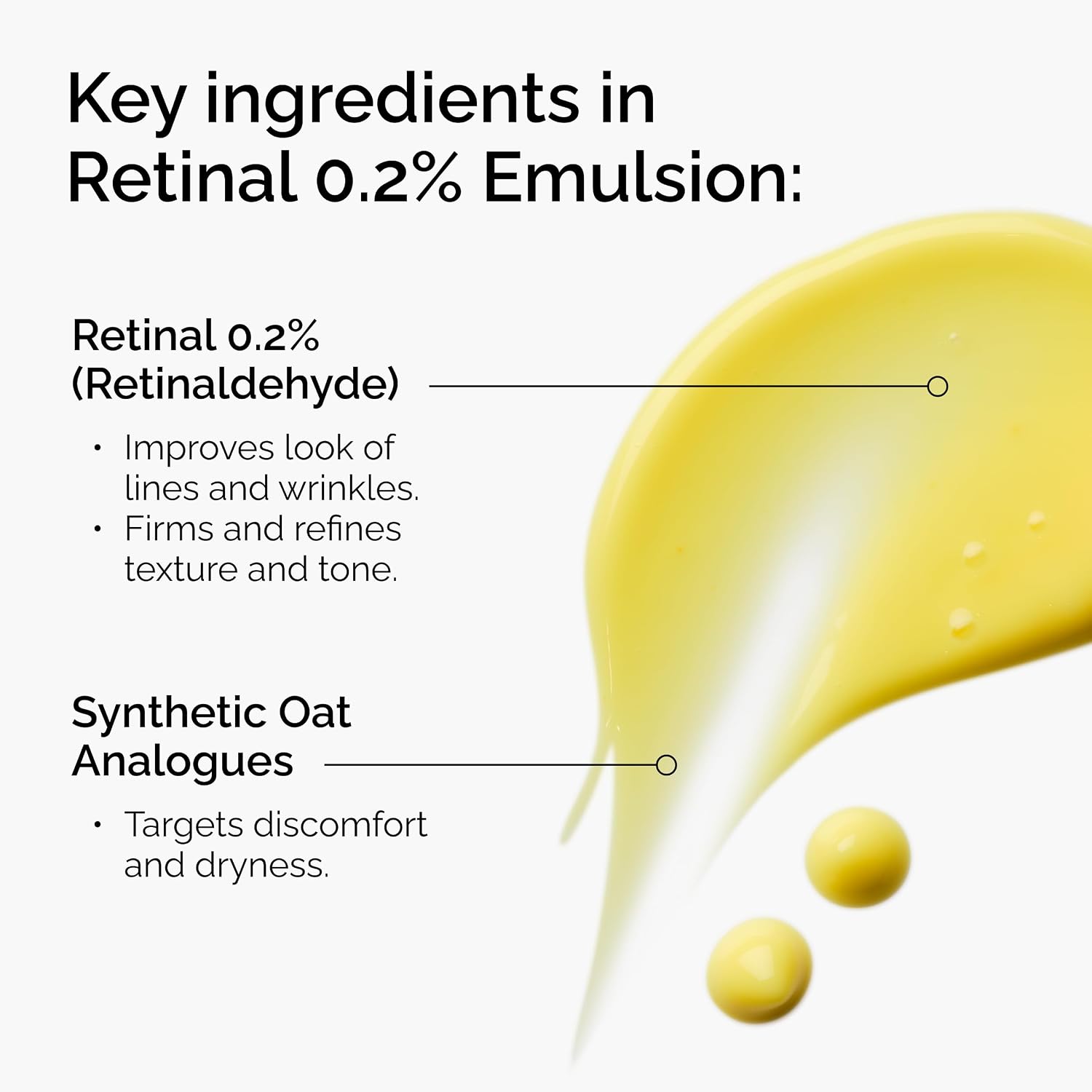
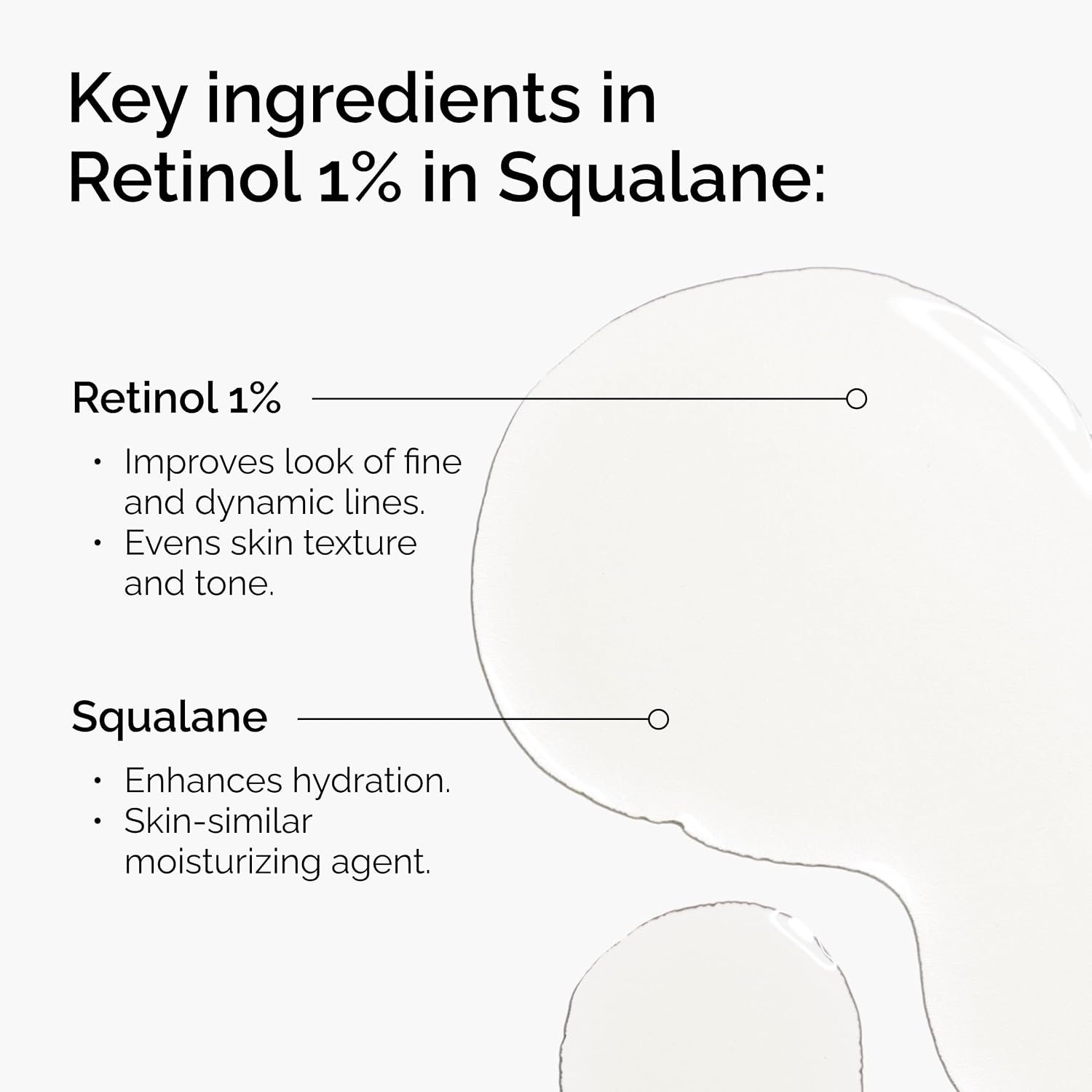
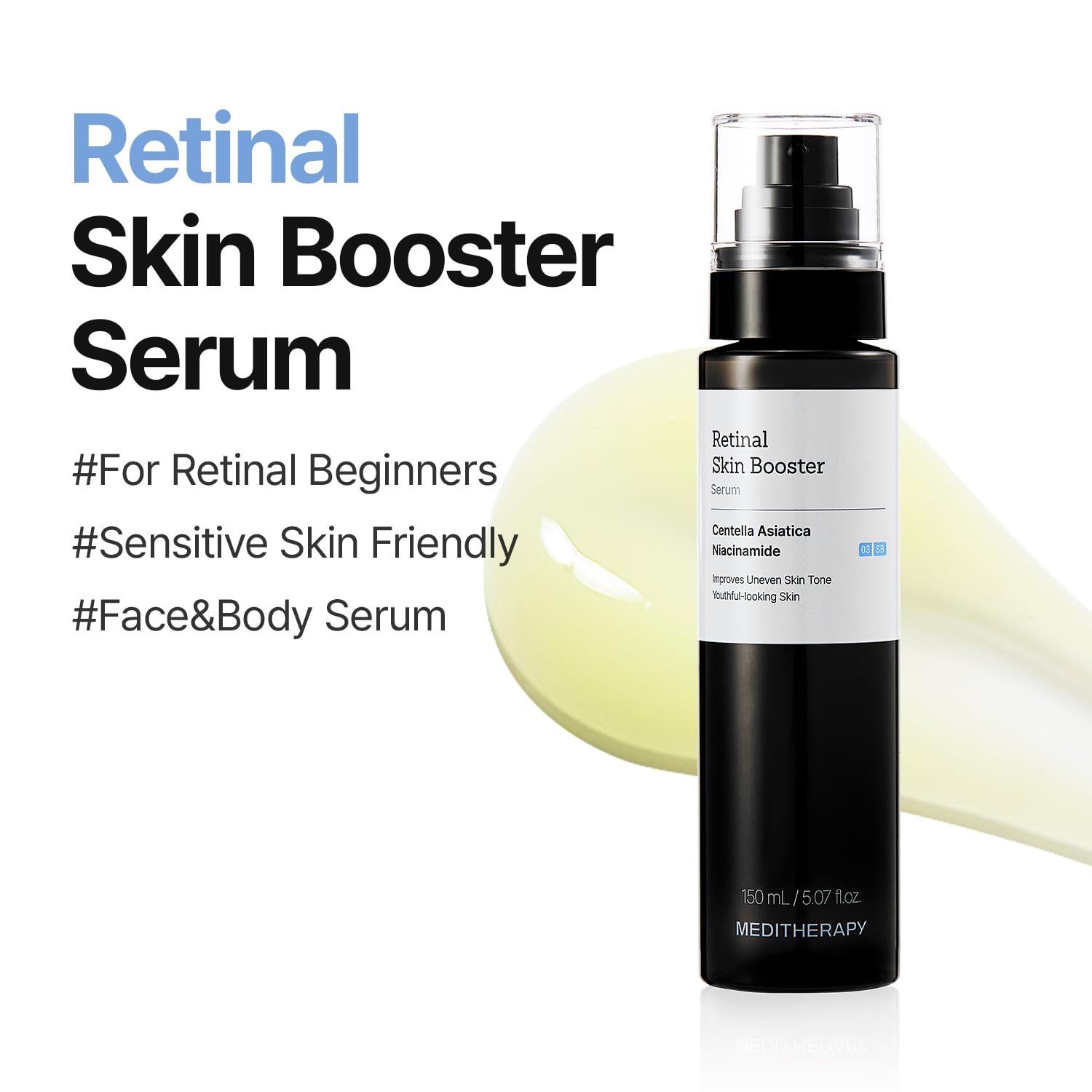
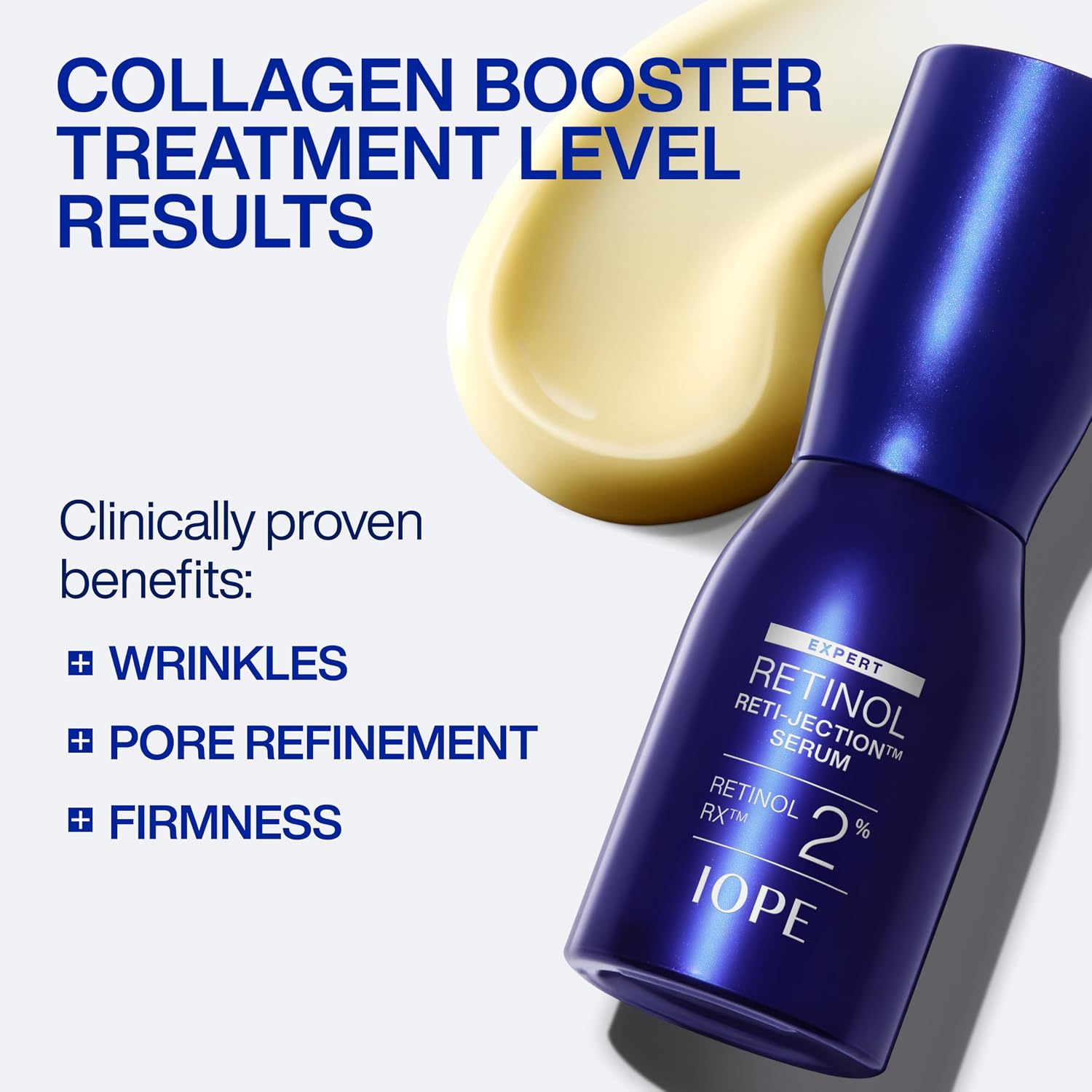
| EDITOR'S PICK[IOPE Expert Retinol RX 2% Reti-…](https://www.amazon.com/dp/B0GKCPDTRB?tag=greenflower20-20) | Mid-tier[MEDITHERAPY Retinal Skin Booste…](https://www.amazon.com/dp/B0G34KH827?tag=greenflower20-20) | Budget pick[The Ordinary Retinol 1% in Squa…](https://www.amazon.com/dp/B0779YGB2G?tag=greenflower20-20) | |
|---|---|---|---|
| Active | Retinol 2% | Retinaldehyde | Retinol 1% |
| Key ingredients | Retinol | Retinaldehyde, Niacinamide | Retinol, Squalane |
| Target concern | Wrinkles, Firming, Pores | Fine lines, Firming, Radiance | Anti-aging, Smoothing |
| Skin type | — | All skin types | — |
| Size | 1.01 fl oz | — | 1 fl oz |
| Price | $49.58 | $24.99 | $9.90 |
| See on Amazon → | See on Amazon → | See on Amazon → |
The Conversion Chain: Why One Step Matters More Than You Think
Retinoids — the family of compounds derived from vitamin A — don’t work in the form you apply them. Your skin must convert them into retinoic acid, the biologically active form that binds to retinoic acid receptors and triggers gene expression changes including increased collagen synthesis and accelerated cell turnover. The conversion chain looks like this:
Retinol → Retinaldehyde (retinal) → Retinoic Acid
Retinol requires two oxidation steps to become active. Retinaldehyde requires only one. That single enzymatic step is the entire thesis of the retinaldehyde argument — and it is not marketing fiction. Research published by Mukherjee et al. in Clinical Interventions in Aging (2006), indexed on NCBI PubMed, confirms the precursor hierarchy: retinaldehyde sits directly adjacent to retinoic acid in the conversion pathway, making it more readily bioavailable than retinol at equivalent concentrations.
By the numbers:
- Retinaldehyde: 1 conversion step to retinoic acid
- Retinol: 2 conversion steps to retinoic acid
- Effective concentration window for retinaldehyde in published literature: 0.05%–0.1%
- Effective concentration window for retinol in over-the-counter formulas: 0.025%–1%+
The practical implication: a well-formulated 0.05% retinaldehyde product may deliver comparable biological activity to a 0.1–0.3% retinol product. That matters enormously for tolerability, because irritation risk generally scales with concentration and conversion byproducts.
Formulation Complexity: Where Retinaldehyde Earns (and Costs) Its Premium
Here is where INCI deck reading gets genuinely useful. Retinaldehyde is more chemically reactive than retinol. It oxidizes faster on contact with air and light, which means the formulation burden on brands is significantly higher.
What to look for on the packaging:
- Airless pump or opaque tube: Non-negotiable for retinaldehyde. A jar formulation is a red flag — you are paying a premium for an ingredient that may degrade by the third week of use. Dermatologists cited in Allure’s retinaldehyde coverage (allure.com) consistently flag packaging integrity as the first quality filter for this ingredient.
- Stabilizing co-ingredients: Look for antioxidants — tocopherol (vitamin E) and ascorbyl compounds — in the first half of the INCI list. Their job is to scavenge the free radicals that accelerate retinaldehyde degradation. A retinaldehyde formula without antioxidant support is a formulation shortcut.
- pH range: Retinaldehyde performs in a similar low-pH window to retinol — roughly 4.5–6.5. Products that combine it with high-pH actives may compromise stability. Paula’s Choice Expert Advice on retinoids (paulaschoice.com/expert-advice) notes that pH compatibility stacking is one of the most common formulation errors consumers make when layering actives.
Retinol, by contrast, is more forgiving. It has been optimized over decades of formulation practice, is cheaper to source, and its stability profile in modern encapsulated forms — listed as “encapsulated retinol” or inside microsphere delivery systems on premium labels — is genuinely excellent. The American Academy of Dermatology’s patient education resource on retinoids (aad.org, “Retinoid or retinol?”) acknowledges that OTC retinol, when properly formulated, has a strong evidence base for photoaging and acne management.
The honest cost-per-dose math:
A mid-tier retinol product at standard twice-weekly application works out to roughly $6–8 per month of active use. Accessible retinaldehyde entry points — including Geek & Gorgeous A-Game 10 (0.1% retinaldehyde), widely reviewed in Byrdie’s retinaldehyde ingredient coverage (byrdie.com) — run roughly $15–22 USD for 30mL depending on retailer and import pricing as of mid-2026, or $4–7 per month at the same application cadence. Retinaldehyde is no longer automatically the expensive option at entry level.
At the premium tier, brands like Medik8 Crystal Retinal (a purpose-built retinaldehyde line with explicit 0.01%–0.1% concentration progression) command $45–$90+ for 30mL, pricing in the formulation engineering and specialized packaging. That premium is defensible if you understand what you are buying. It is not defensible if the formula is in a clear glass jar.
Tolerability Trade-offs: The Irritation Profile Isn’t What You’ve Read
The common shorthand is that retinaldehyde is gentler than retinol because it is “closer to natural.” That is a garbled half-truth worth unpacking.
What the research actually shows: Retinaldehyde’s tolerability advantage comes from concentration and conversion efficiency working together — not from some intrinsic gentleness of the molecule. Because less is needed to achieve comparable biological activity, a properly dosed retinaldehyde formula produces less cumulative irritation than a high-percentage retinol formula. Byrdie’s retinaldehyde ingredient overview (byrdie.com) cites dermatologist commentary consistent with this position: it is the dose-response curve, not molecular kindness, that drives the tolerability difference.
One underreported irritation variable is the formulation vehicle. A retinaldehyde serum in a thin, high-alcohol base will produce more sensitization than a retinol in a rich emollient base, independent of which vitamin A form is present. When reviewing the INCI deck, scan for denatured alcohol (listed as “alcohol denat.”) in the first five ingredients — that is a dryness and barrier flag regardless of which retinoid follows it.
Draelos’ work on cosmeceutical actives, published in Clinics in Dermatology (2009) and indexed via NCBI PubMed, is a useful frame for compromised-barrier situations: barrier function determines how much of any retinoid reaches the receptor layer. Neither retinol nor retinaldehyde belongs on a visibly compromised barrier. Repair first — ceramide moisturizers, no actives — then reintroduce.
The Decision Framework: Three Tiers, Three Answers
This is not a category where one molecule wins outright. The right choice depends on where you are in your retinoid journey and what your formulation budget supports.
Tier 1 — Retinoid-Naive or Budget-Sensitive
If you have never used a retinoid, or you are working with a $10–$30 budget, start with retinol. The evidence base is deeper, the formulation science is more mature, and entry-level options including CeraVe Resurfacing Retinol Serum and the RoC Retinol Correxion line are well-tolerated by most first-time users. You do not need retinaldehyde to get results — you need consistency and a formula that survives long enough in its packaging to work.
The AAD’s retinoid patient education resource (aad.org) supports OTC retinol as a clinically reasonable starting point for photoaging and mild acne concerns, and Paula’s Choice Expert Advice (paulaschoice.com/expert-advice) provides accessible guidance on introduction cadence (start two nights per week, increase as tolerance builds).
The
$9.90
In stock on Amazon
Check price on AmazonTier 2 — Retinol Users Who Have Experienced Irritation or Hit a Plateau
If retinol has caused persistent irritation at any concentration, and you want to stay in the vitamin A family, retinaldehyde at 0.05–0.1% in a well-formulated, airless-pump, antioxidant-supported product is the rational next test. Geek & Gorgeous A-Game 10 and Medik8 Crystal Retinal 1 (the entry point of Medik8’s numbered retinaldehyde progression system) are the two options most consistently named in formulation-focused retinoid roundups on both Byrdie (byrdie.com) and Allure (allure.com).
If you have plateaued on retinol at 0.25–0.5% and tolerability is fine, the marginal gain from switching molecules is modest. Consider increasing retinol concentration first, or improving your delivery stack — adding a ceramide buffer layer before application, adjusting timing to fully dry skin — before switching.
MEDITHERAPY
$24.99
In stock on Amazon
Check price on AmazonTier 3 — Premium-Practitioner Optimization
If you are working in the $80–$180 tier and optimizing an established routine, retinaldehyde earns its place when the formulation reflects the chemistry. Medik8 Crystal Retinal 6 and Crystal Retinal 10 are the two formulas with the most credible professional-use track record in this concentration range, with packaging and antioxidant architecture appropriate for the active. Environ’s AVST serum line uses a step-up retinaldehyde dosing model designed for gradual receptor acclimatization and has a sustained professional-channel record.
At this tier, cost-per-dose math is secondary to formulation architecture. You are paying for delivery engineering — encapsulation, antioxidant stabilization, optimized pH buffering — not just the retinaldehyde concentration itself. Allure’s dermatologist-sourced retinaldehyde coverage (allure.com) reflects consistent professional consensus that formulation architecture at this level meaningfully differentiates outcomes.
One scope clarification worth stating plainly: neither retinol nor retinaldehyde competes with prescription tretinoin (retinoic acid) on efficacy. OTC retinoids exist in a different regulatory and potency lane. If a prescription option is available and appropriate, that conversation belongs with a dermatologist, not an INCI deck.
IOPE
$49.58
In stock on Amazon
Check price on AmazonThe One Packaging Rule That Overrides Everything
You can find a good retinol in a bad package and a good retinaldehyde in a bad package. Either way, the active is degrading before you use it. The single most reliable quality filter — before concentration, before supporting ingredients — is this: is the product in an opaque, airless, or sealed tube format?
If yes: proceed to concentration and formulation analysis.
If no (open jar, clear glass bottle without UV filter): the active integrity question is already partially answered, and not favorably.
The INCI deck tells you what is in the formula. The packaging tells you whether it will survive long enough to work. Retinaldehyde raises the stakes on that rule — its higher reactivity means packaging failure is faster and more complete than with retinol. A retinaldehyde formula in a jar is, for most practical purposes, an expensive moisturizer by week four.
Sources referenced in this article: Mukherjee S et al., “Retinoids in the treatment of skin aging,” Clinical Interventions in Aging, 2006, indexed via NCBI PubMed (ncbi.nlm.nih.gov); American Academy of Dermatology, “Retinoid or retinol?” patient education resource (aad.org); Draelos ZD, “Cosmeceuticals: Undefined, unclassified, and unregulated,” Clinics in Dermatology, 2009, indexed via NCBI PubMed (ncbi.nlm.nih.gov); Paula’s Choice Expert Advice on retinoids (paulaschoice.com/expert-advice); Allure, dermatologist-sourced retinaldehyde coverage (allure.com); Byrdie, retinaldehyde ingredient overview (byrdie.com).