You’ve probably noticed that a single bottle of essence from a Korean brand can sit at $18 while a Western serum with a nearly identical active ingredient costs $90. Is one genuinely better, or are you paying for a different story? INCI (International Nomenclature of Cosmetic Ingredients) is the standardized ingredient-naming system used globally — every product sold in the U.S., EU, and Korea lists ingredients by INCI name, in descending order of concentration. That means a trained reader can open both decks side by side and compare what’s actually in the bottle, not just what the marketing copy promises. This article does exactly that: compares K-beauty and Western formulations across four active-ingredient categories, shows the cost-per-dose math, and gives you a clear decision frame for where each system earns its place in a clinical routine.
The Formulation Philosophy Divide Is Real — and Smaller Than the Marketing Suggests
The popular narrative positions K-beauty as “gentle and layered” versus Western actives as “high-potency and direct.” That framing has some truth, but it obscures a more useful distinction: delivery architecture.
Western clinical formulas — think Paula’s Choice 1% Retinol Treatment or SkinCeuticals C E Ferulic — are typically built around a single hero active at a published, peer-reviewed concentration, with a base engineered to maximize that active’s stability and penetration. The formula exists to deliver the active. Everything else is in service of that goal.
K-beauty formulas — from mid-tier players like COSRX and Some By Mi to prestige lines like Sulwhasoo and History of Whoo — more often stack multiple lower-concentration actives inside a hydration matrix. The COSRX Snail Mucin 96% Power Repairing Essence, for example, leads with snail secretion filtrate but pairs it with betaine, panthenol, sodium hyaluronate, and allantoin in the first eight positions. According to the Paula’s Choice Expert Advice ingredient reference library, snail secretion filtrate is characterized as a skin-replenishing and soothing ingredient with emerging wound-healing evidence. You’re getting the active inside a recovery scaffold, not the active alone.
Neither approach is objectively superior. But if you’re layering products into a multi-step routine, they behave very differently. A Western vitamin C serum at 15% L-ascorbic acid (L-AA) pH-locked at 3.0–3.5 is going to be incompatible with several subsequent steps; a Korean fermented vitamin C derivative — such as ascorbyl glucoside or 3-O-ethyl ascorbic acid, both more pH-stable forms — can sit alongside other actives without the compatibility headaches. The tradeoff: the evidence base for those derivatives, while growing, is thinner than for L-AA. The American Academy of Dermatology’s patient-facing retinol and vitamin C resources consistently note that L-ascorbic acid remains the most clinically studied topical vitamin C form.
Head-to-Head Comparisons Across Four Active Categories
H3: Retinoids
Western benchmark: RoC Retinol Correxion Line Smoothing Serum ($25) and Paula’s Choice 1% Retinol Treatment ($62) both list retinol — the gold-standard OTC vitamin A derivative — prominently in their decks. Paula’s Choice publishes its 1% concentration openly; RoC does not disclose exact percentages but markets the formula on the strength of internal clinical studies.
K-beauty comparables: Most Korean OTC retinol products run 0.1%–0.3% retinol and pair it with ceramides, centella asiatica, or panthenol to buffer irritation. Some By Mi’s Retinol Intense Advanced Triple Action Eye Cream, for instance, lists retinol mid-deck alongside madecassoside and niacinamide — a formulation philosophy designed around tolerability for the layered-routine user.
The American Academy of Dermatology’s guidance on retinol notes that higher concentrations generally produce faster visible results but also carry higher irritation potential. Byrdie’s long-form K-beauty ingredient coverage describes graduated-dose retinol formats as a defining preference among Korean consumers precisely because of that irritation tradeoff. If you’re building retinol tolerance from scratch or managing sensitive skin, the K-beauty buffer-stack reduces purge risk. If you’re at month six and want to push adaptation, the Western high-concentration formula accelerates results.
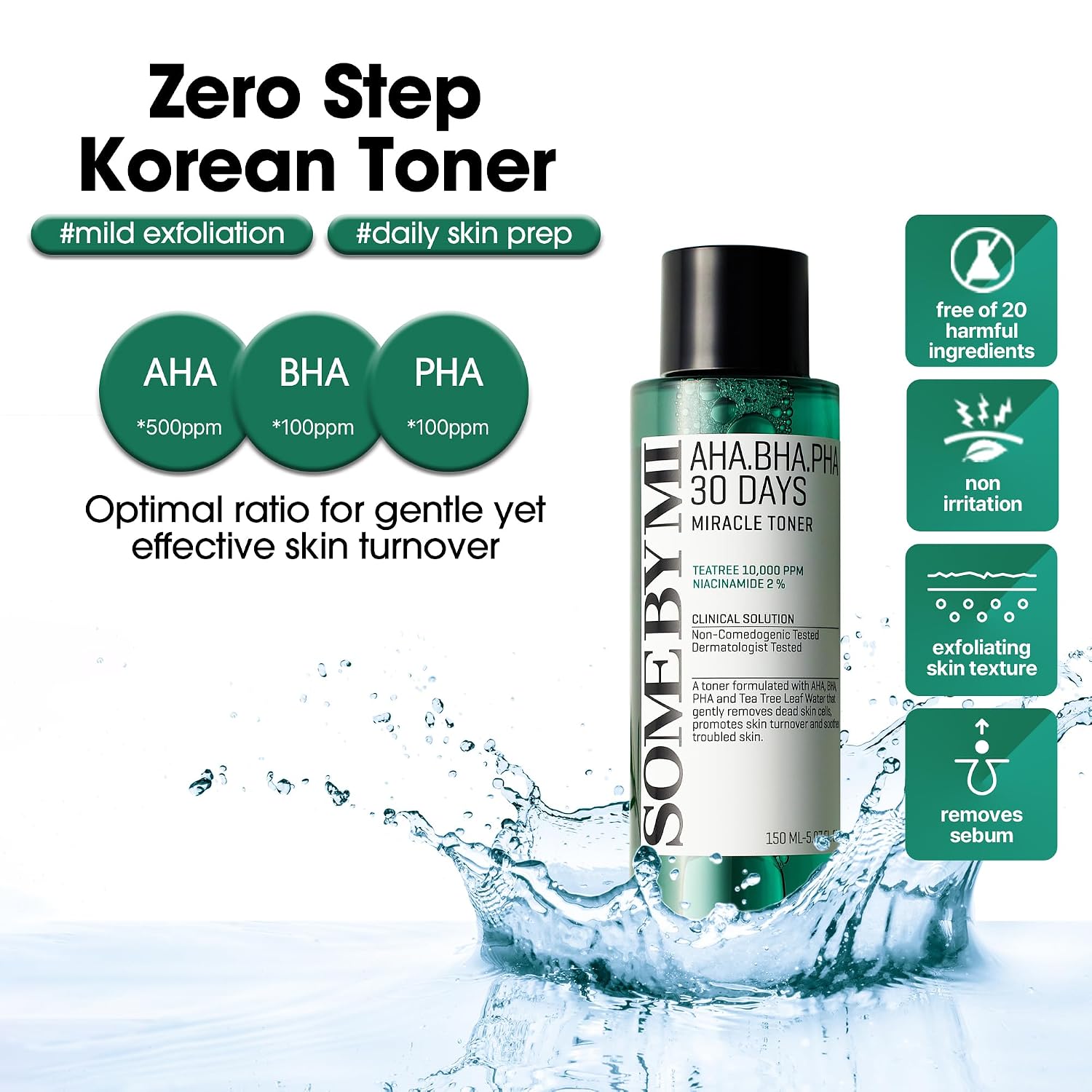
SOME
$11.76
In stock on Amazon
Check price on AmazonH3: Niacinamide
Niacinamide (vitamin B3, a water-soluble active studied for pore appearance, skin barrier support, and hyperpigmentation reduction) is the rare ingredient where K-beauty and Western formulas converge almost completely on concentration. Healthline’s overview article “What Is Niacinamide and What Are Its Benefits for Skin?” identifies 5%–10% as the functional range best supported by existing evidence.
Western benchmarks: The Ordinary Niacinamide 10% + Zinc 1% ($6.90 per 30 mL) and Paula’s Choice 10% Niacinamide Booster ($54 per 20 mL) both hit that window with the same INCI name.
K-beauty comparables: COSRX The Niacinamide 15 Serum (~$23 per 20 mL) pushes to 15%, above the standard clinical window. Innisfree Niacinamide Brightening Serum runs ~5% inside a green tea and hyaluronate base.
| Product | Niacinamide % | Size | Price | Cost/mL | Tier |
|---|---|---|---|---|---|
| The Ordinary 10% + Zinc | 10% | 30 mL | ~$6.90 | ~$0.23 | SOME — $11.76 |
| COSRX Niacinamide 15 | 15% | 20 mL | ~$23 | ~$1.15 | Anua — $15.30 |
| Paula’s Choice 10% Booster | 10% | 20 mL | ~$54 | ~$2.70 | TIRTIR — $25.00 |
The Ordinary wins on cost-per-dose decisively. The COSRX 15% option offers a concentration edge but costs five times more per mL than The Ordinary for the same INCI-named active. The Paula’s Choice premium buys formulation elegance — a silicone-free, fragrance-free base engineered for layering — but not a differentiated active. If your goal is pure niacinamide delivery on a budget, the answer is clear regardless of country of origin.
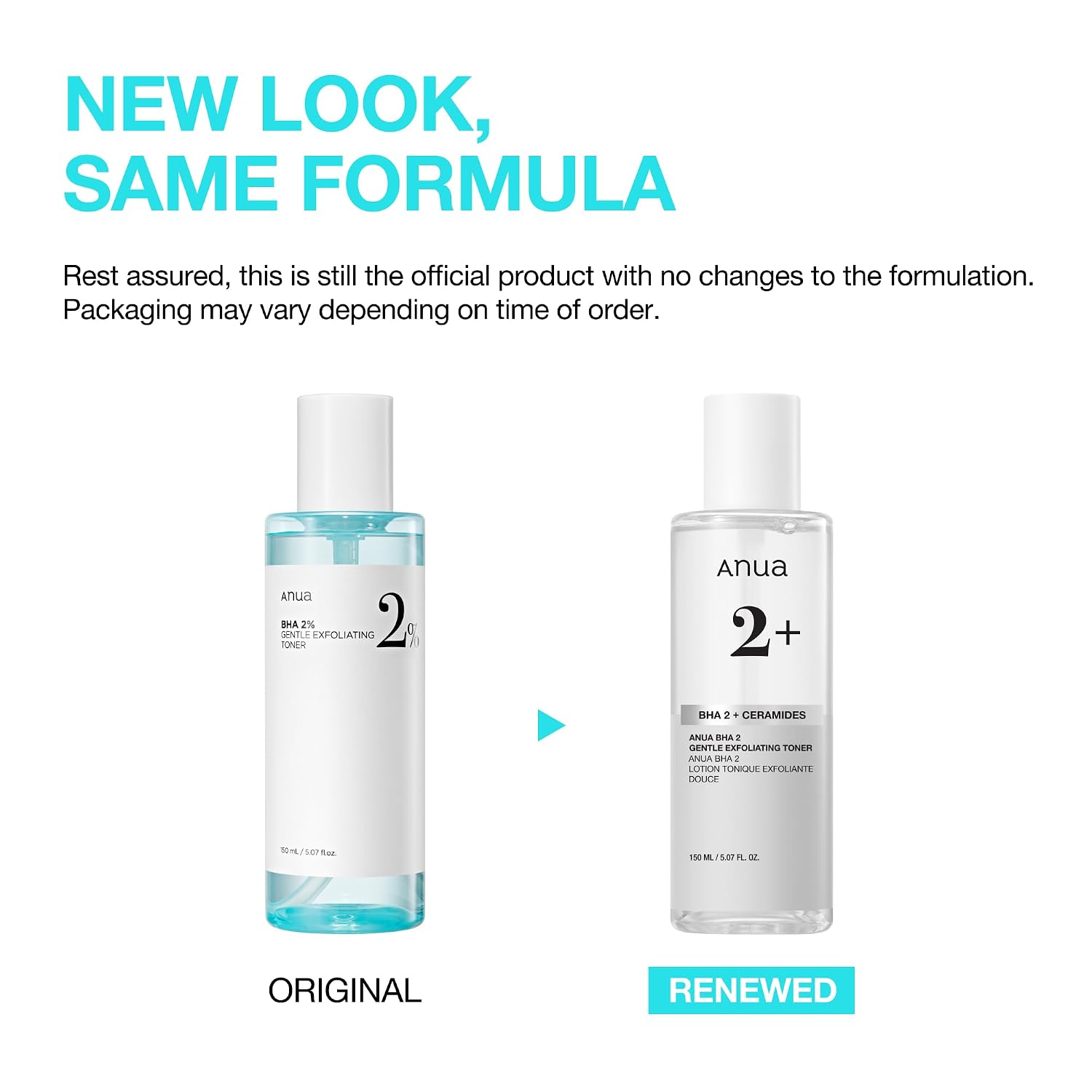
Anua
$15.30
In stock on Amazon
Check price on AmazonH3: Fermentation-Derived Actives — Where K-Beauty Genuinely Differentiates
This is the category where K-beauty’s formulation heritage creates the most meaningful distance from Western competitors.
Galactomyces ferment filtrate (a yeast-derived fermentation byproduct associated with brightening and barrier support) and bifida ferment lysate (a probiotic-derived ingredient linked to skin microbiome balance) sit near the top of decks in SK-II Facial Treatment Essence ($185 for 75 mL), Missha Time Revolution First Treatment Essence ($35 for 150 mL), and COSRX Advanced Snail Mucin 96% Essence (~$25 for 100 mL). Cosmetics & Toiletries’ technical coverage of fermentation-derived actives describes both galactomyces filtrate and bifida lysate as offering enhanced bioavailability of certain skin-active nutrients compared to some synthetic analogs, while noting that direct head-to-head clinical trials against Western-formulated equivalents remain limited.
Western prestige formulas have adopted bifida — La Mer’s Concentrate and Estée Lauder’s Advanced Night Repair both list bifida ferment lysate — but typically position it mid-deck, behind other hero actives. In the Korean formulas, fermentation filtrates are the hero. That’s a genuine philosophical and formulation difference, not just marketing copy. Allure’s feature “K-Beauty Ingredients You Need to Know, Explained by Dermatologists” makes this same structural observation: Korean brands pioneered galactomyces and bifida as lead actives long before Western prestige lines incorporated them as supporting ingredients.
Cost comparison on galactomyces essences:
| Product | Primary Active | Size | Price | Cost/mL | Tier |
|---|---|---|---|---|---|
| Missha Time Revolution First Treatment Essence | Galactomyces ferment filtrate | 150 mL | ~$35 | ~$0.23 | SOME — $11.76 |
| COSRX Advanced Snail Mucin 96% Essence | Snail secretion filtrate | 100 mL | ~$25 | ~$0.25 | SOME — $11.76 |
| SK-II Facial Treatment Essence | Pitera (galactomyces ferment filtrate) | 75 mL | ~$185 | ~$2.47 | TIRTIR — $25.00 |
Both Missha and SK-II list galactomyces ferment filtrate as the primary active. Byrdie’s K-beauty product roundup, drawing on editor and expert testing, consistently describes the Missha version as performing comparably to SK-II for brightening over a 12-week use period — with the acknowledgment that SK-II’s texture and secondary ingredient matrix differ meaningfully at the formulation level.
Anua
$15.30
In stock on Amazon
Check price on AmazonH3: Peptides and Collagen-Signal Ingredients
Western benchmark: The Ordinary Buffet + Copper Peptides 1% ($28) and SkinCeuticals H.A. Intensifier with peptide complex ($108) represent the range. Western clinical brands — Medik8, SkinCeuticals, Paula’s Choice — invest heavily in peptide research and publish their peptide matrices with specific INCI names like palmitoyl pentapeptide-4 (Matrixyl) and copper peptide complexes.
K-beauty comparables: Several IOPE and Amorepacific lines incorporate peptide complexes, but Korean brands more often lead with plant-stem-cell extracts, fermentation filtrates, and botanical complexes rather than synthetic peptide matrices as the hero active. The Paula’s Choice Expert Advice ingredient reference library documents palmitoyl pentapeptide-4 as having a meaningful body of independent evidence for collagen-signaling activity — and Western clinical formulas currently offer more transparent concentration disclosure for this class of ingredient.
The American Academy of Dermatology’s general guidance on anti-aging actives notes that peptides show promising but not definitive clinical outcomes, with much of the evidence base coming from brand-commissioned studies regardless of country of origin. That caveat applies equally to Korean and Western peptide claims. Where Western formulas have an edge is label transparency: if you want to confirm a specific peptide INCI name appears in positions one through five of the deck, Western clinical brands are more likely to give you that information directly.
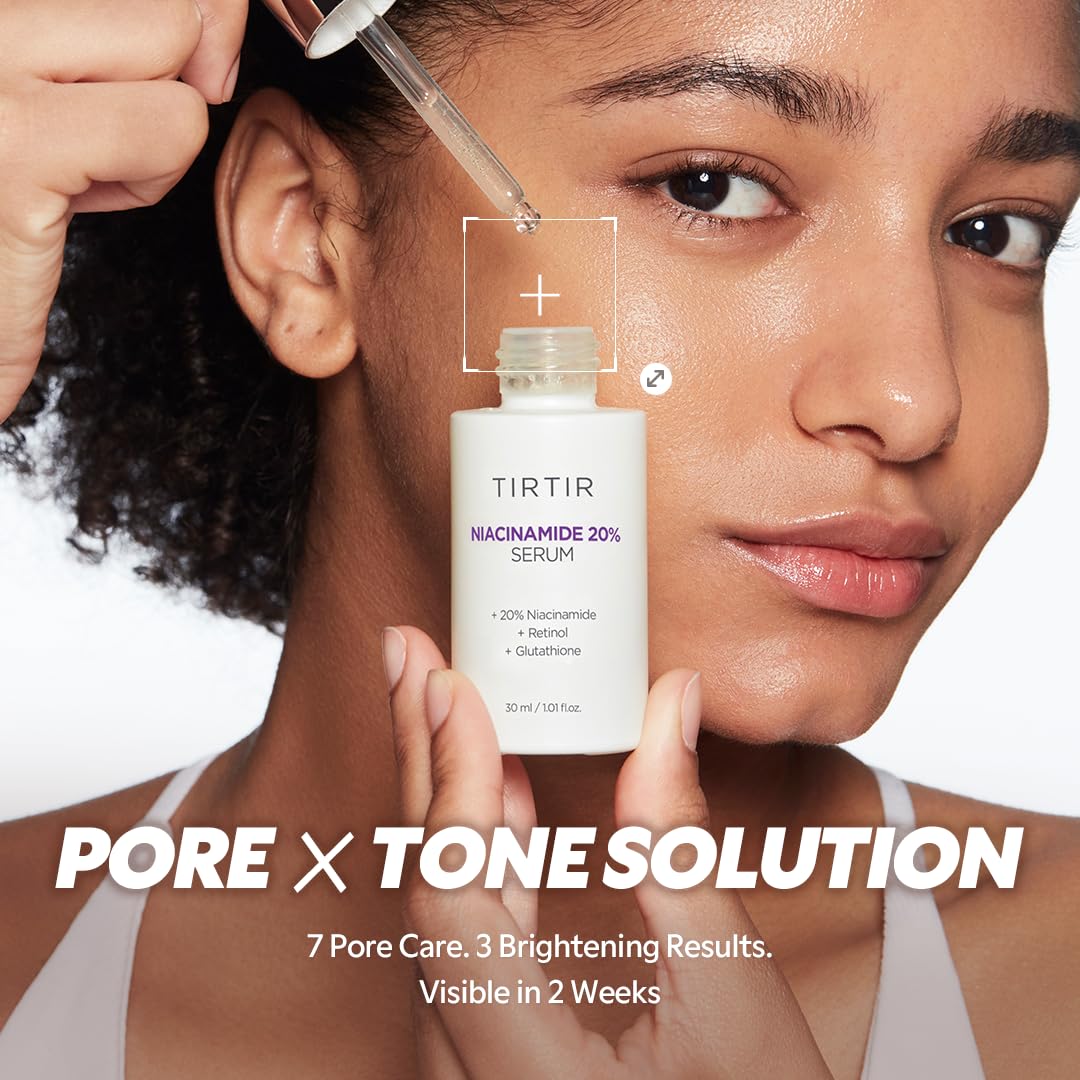
TIRTIR
$25.00
In stock on Amazon
Check price on AmazonHow to Make the Call: A Decision Framework
You don’t have to choose a side. The more useful question is which category of active rewards which formulation philosophy.
Default to K-beauty when:
- You need fermentation-derived actives (galactomyces, bifida, snail filtrate) — this is K-beauty’s native territory and the cost-per-dose math often wins decisively, as the table above shows
- You’re layering four or more steps and need a gentler, pH-compatible active delivery system that won’t destabilize adjacent products
- Budget is a real constraint — the Missha and COSRX tier consistently delivers functional INCI decks at $0.23–$0.35 per mL, comparable to The Ordinary’s pricing on individual actives
Default to Western clinical formulas when:
- You need a published high-concentration retinoid with a clinical evidence trail and a disclosed percentage on the label
- You’re working with L-ascorbic acid vitamin C at true low pH — stability requirements make Western shelf architecture and packaging more reliable for this specific active
- You want a documented peptide matrix where specific peptide INCI names and relative positions appear on the label or published specification sheet
The hybrid approach most practitioners land on: Use Western clinical actives — retinol at a disclosed concentration, L-AA vitamin C, high-peptide serums — as the spine of a routine, and fill the hydration, barrier-support, and brightening layers with K-beauty formulas where the cost-per-dose advantage is clearest. A routine anchored by Paula’s Choice 1% Retinol Treatment padded with COSRX snail mucin and Missha galactomyces essence uses each system where it’s strongest.
The INCI deck doesn’t lie — and once you can read it, the country of origin becomes almost irrelevant. What matters is what’s in positions one through eight, what concentration is disclosed or inferable, and whether the delivery base serves your overall stack. The price tag follows logically from there.